

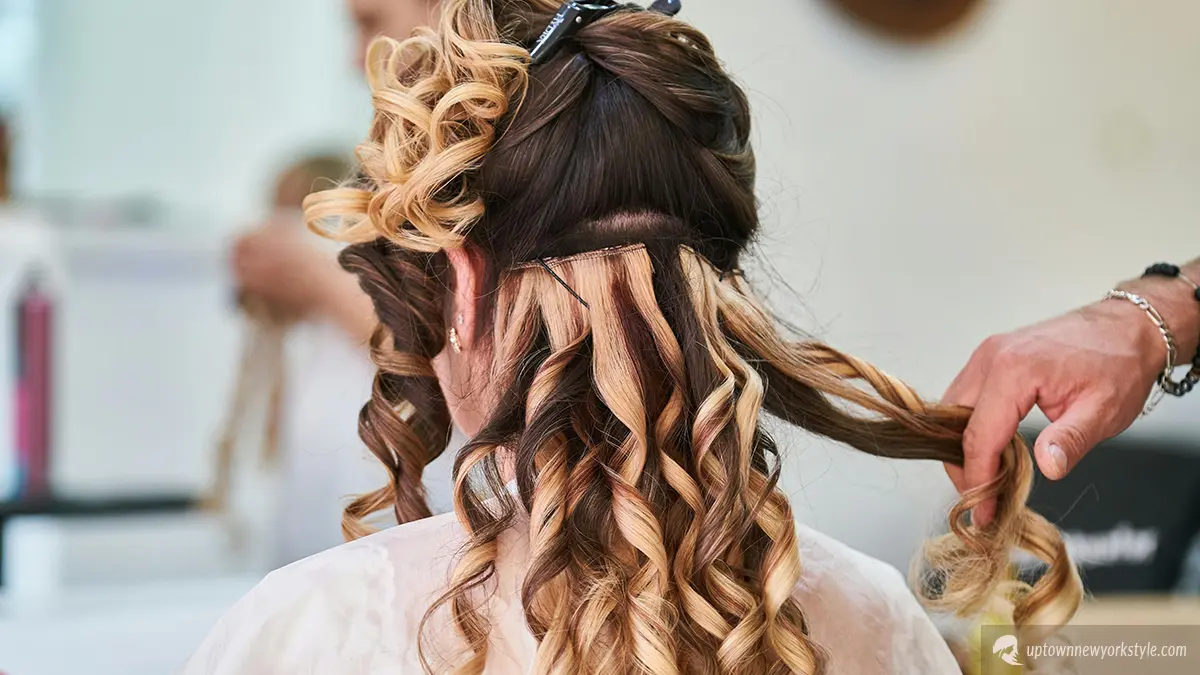
Hair is something we interact with every single day, yet most people rarely stop to think about what it actually is or how it works. From protecting our skin to expressing personal style and identity, hair plays a much bigger role than we often realize. By understanding human hair structure, growth, and purpose, we gain insight into how to care for it properly. And why different hair types behave the way they do.


What Exactly Is Hair?
Hair is a filament made primarily of a protein called keratin, the same material found in our nails and the outer layer of our skin. Each strand grows from a tiny pocket in the skin called a hair follicle, which anchors the hair and supplies it with nutrients.
While hair appears “dead” once it leaves the scalp, its growth process is very much alive and influenced by genetics, hormones, nutrition, and overall health.
Understanding Human Hair Structure
To truly understand how human hair functions, it helps to look at its structure from the inside out. Each strand of hair is composed of the following three main layers.
1. The Cuticle
The cuticle is the outermost layer of the hair shaft. It consists of overlapping, scale-like cells that protect the inner layers. When the cuticle lies flat, hair appears shiny and smooth. Conversely, when it’s raised or damaged, often due to heat, chemicals, or friction, hair can look dull, feel rough, and become more prone to breakage. In short, healthy cuticles help retain moisture and protect hair from environmental damage.
2. The Cortex
Beneath the cuticle lies the cortex, the thickest layer of the hair strand. This layer contains long keratin2. The Medulla
The medulla is the innermost layer and is not present in all hair types. It’s more commonly found in thicker or coarser hair. Scientists are still studying its exact function, but it may contribute to hair’s overall strength and insulation. Hair doesn’t grow continuously; instead, it follows a repeating cycle with three main phases: Anagen (Growth Phase) Catagen (Transition Phase) Telogen (Resting Phase) Hair is not just decorative, it also serves several important biological and social functions. For example, it protects the scalp against UV radiation and helps regulate temperature. Hair follicles are connected to nerve endings, making hair highly sensitive to touch and movement. This helps us detect changes in our environment quickly. One of the most obvious purpose of hair is identity and expression. Hair plays a powerful role in culture, self-expression, and personal identity. Hairstyles, textures, and colors can communicate individuality, heritage, creativity, and even social or professional signals. Not all hair is the same, and that’s largely due to genetics. Hair texture is influenced by the shape of the hair follicle, the way keratin proteins are arranged in the cortex, and distribution of natural oils from the scalp. This is why hair can range from pin-straight to tightly coiled. It’s also why understanding human hair structure is essential when choosing products, styling methods, or protective techniques. Understanding human hair structure means comprehending how it’s built, and grows. As a result, you’re able to better care for it. Gentle cleansing, proper conditioning, minimizing heat damage, and using products suited to your hair type all support the health of the cuticle and cortex, where it matters most. Hair may seem simple, but it’s a complex and fascinating part of the human body. With the right knowledge, you can care for it in a way that supports both its health and its beauty. You may also enjoy reading: Do Bleached Blondes Really Have More Fun?How Hair Grows
This is the active growth phase, lasting anywhere from 2 to 7 years. About 85–90% of the hair on your head is in this phase at any given time.
A short phase lasting a few weeks, where hair growth slows and the follicle begins to shrink.
This phase lasts about 3 months. The hair eventually sheds, making room for new growth to begin again.The Purpose of Hair
Why Hair Types Differ
Caring for Hair Starts with Understanding It